
Arjen Robben – Career, Stats, Clubs, Trophies & Football Legacy
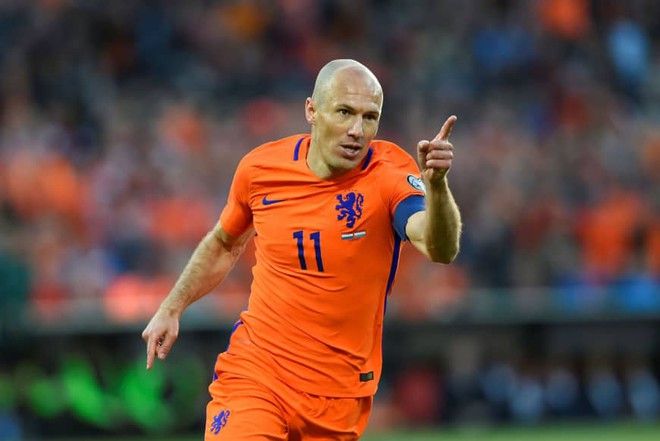
Arjen Robben was one of the most distinctive and devastating wingers of his generation. Renowned for his explosive acceleration, exceptional dribbling and trademark ability to cut inside from the right before finishing with his left foot, the Dutch star enjoyed an elite career across the Netherlands, England, Spain and Germany. From Groningen and PSV to Chelsea, Real Madrid and especially Bayern Munich, Robben collected major domestic honours and became a UEFA Champions League winner, while also playing a defining role for the Netherlands on the international stage.
"“I’ve dreamed of this since I was a little kid.”"
👕 The Story Behind the Shirt Number
Robben’s career cannot be defined by a single shirt number. He wore different numbers as his journey took him from Groningen and PSV Eindhoven to Chelsea and Real Madrid, but the No. 10 shirt became most closely associated with the peak of his career at Bayern Munich. After arriving in Munich in 2009, Robben developed into one of the world’s most dangerous wide forwards. His signature move — receiving the ball on the right, cutting onto his left foot and shooting toward the far corner — became famous even though defenders knew exactly what was coming. The defining moment arrived in the 2013 Champions League final at Wembley, when Robben scored the 89th-minute winner against Borussia Dortmund to deliver Bayern the European Cup.
⭐ Enduring Football Legacy
Robben retired as one of the defining wingers of his era. His career included league titles in the Netherlands, England, Spain and Germany, eight Bundesliga championships with Bayern Munich and the historic 2012–13 treble. Internationally, he earned 96 caps and scored 37 goals for the Netherlands, helping his country reach the 2010 FIFA World Cup final and finish third in 2014. Beyond the trophies and statistics, his greatest legacy may be a move that became synonymous with his name: cutting inside from the right onto his left foot. Opponents knew it was coming, yet at his peak, stopping it remained extraordinarily difficult.